
Introduction
Smartphones have become one of the most important parts of our daily life. From communication to entertainment, work to online shopping, everything is now connected to our mobile devices.
But smartphones are not the same as they were a few years ago. In 2026, the smartphone industry is changing very fast. New technologies like AI, better batteries, foldable screens, and smart cameras are transforming how we use our phones.
If you are planning to buy a new phone or want to stay updated, it is important to understand the latest smartphone trends in 2026.
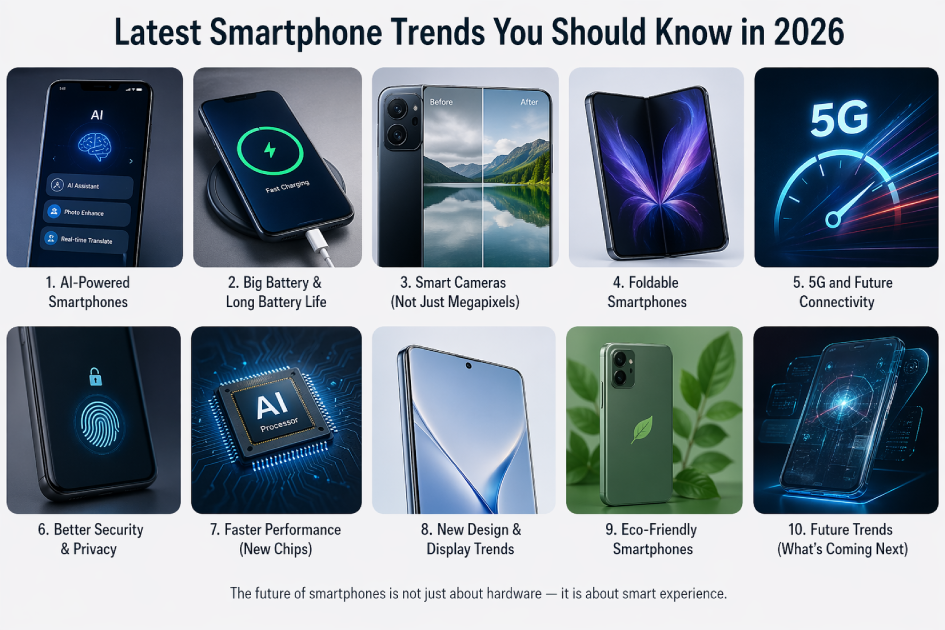
1. AI-Powered Smartphones (The Biggest Trend)
Artificial Intelligence (AI) is now the heart of modern smartphones.
Today’s phones are not just fast — they are smart. They can understand your habits, predict your needs, and improve performance automatically.
Key Features
- AI photo editing (remove objects, improve quality)
- Smart voice assistants
- Real-time translation
- Predictive app usage
- Automatic battery optimization
Example Devices
- Google Pixel series (AI photography leader)
- iPhone’s latest models with AI chips
- Samsung Galaxy AI features
Modern phones can even summarize emails, translate calls, and edit photos instantly using AI.
Advantages
- Makes phone smarter and faster
- Saves time in daily tasks
- Better photo and video quality
- Improves battery life automatically
Disadvantages
- Privacy concerns
- Heavy processing may heat the device
- Some features depend on software updates
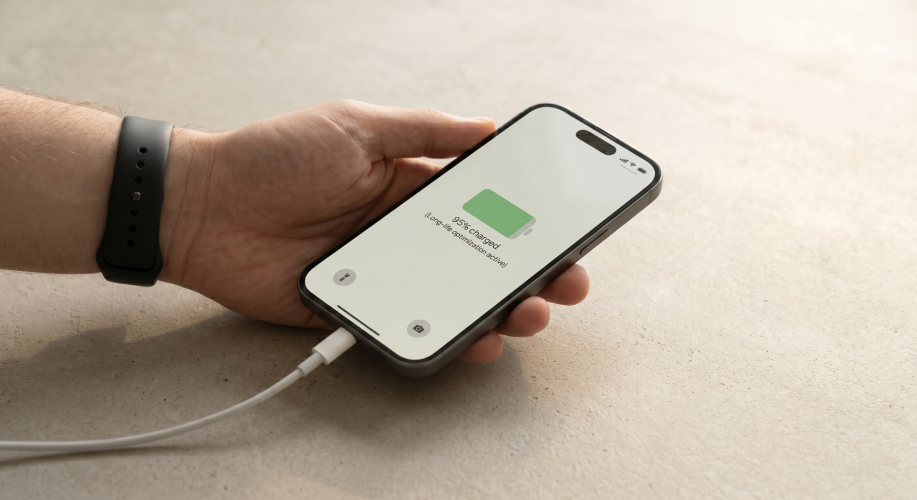
2. Big Battery & Long Battery Life
Battery life is finally improving in 2026.
New battery technologies like silicon-carbon batteries are making phones last longer.
Key Features
- 5000mAh to 8000mAh batteries
- Fast charging (30W–100W)
- Smart battery optimization
- Longer standby time
Example
Some modern phones now offer 2–3 days of battery backup on normal usage.
Advantages
- No need to charge daily
- Better for travel and gaming
- Reliable performance
Disadvantages
- Bigger battery = heavier phone
- Fast charging may reduce battery life over time
3. Smart Cameras (Not Just Megapixels)
Camera technology has changed a lot.
Now it is not about megapixels — it is about AI and software processing.
Key Features
- AI night mode
- Real-time image processing
- 50MP / 200MP sensors
- Video stabilization
Example Devices
- Samsung Galaxy Ultra series (200MP camera)
- Pixel phones (AI photography leader)
Advantages
- Better photos in low light
- Professional-level photography
- Easy editing
Disadvantages
- Over-processing sometimes
- High storage usage
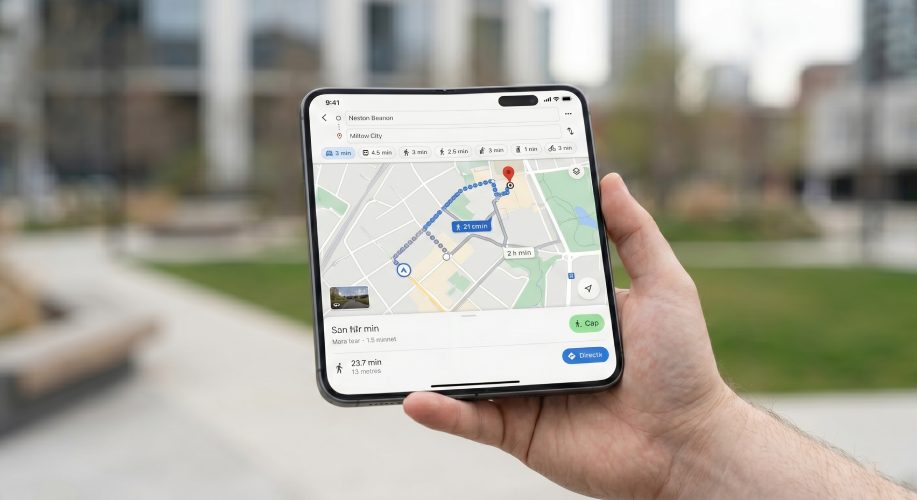
4. Foldable Smartphones (Future Design)
Foldable phones are becoming popular.
They offer bigger screens in a compact size.
Key Features
- Foldable display
- Multitasking support
- Dual screen experience
Example Devices
- Samsung Galaxy Z Fold series
- Google Pixel Fold
- New Huawei foldable devices
Advantages
- Tablet-like experience
- Great for productivity
- Unique design
Disadvantages
- Expensive
- Durability concerns
- Heavy compared to normal phones
5. 5G and Future Connectivity
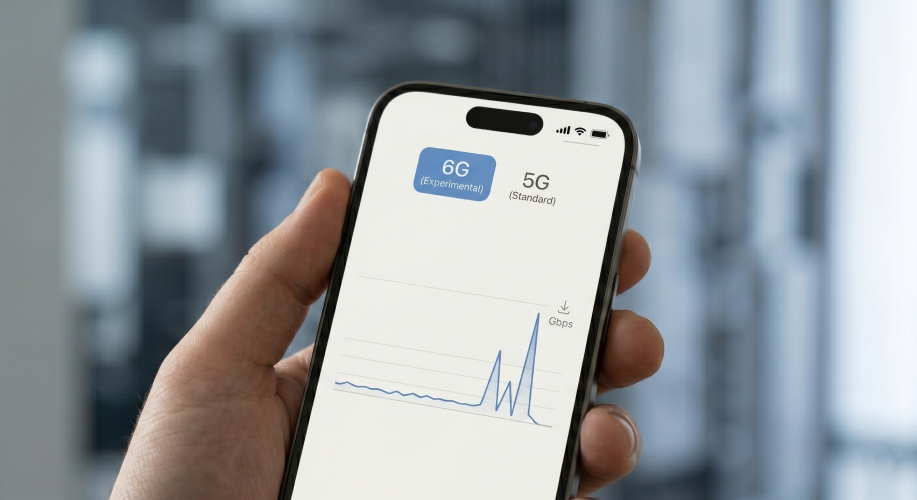
In 2026, 5G is now standard, and 6G testing has started.
Key Features
- Faster internet speed
- Low latency
- Better streaming and gaming
Advantages
- Smooth video calls
- Faster downloads
- Better online gaming
Disadvantages
- Battery consumption high
- Not available everywhere
6. Better Security & Privacy
Security is now a major focus.
Key Features
- Face unlock
- Fingerprint sensors
- On-device AI security
- Privacy dashboards
Advantages
- Better data protection
- Secure payments
- Safe personal data
Disadvantages
- Biometric errors sometimes
- Privacy concerns with AI
7. Faster Performance (New Chips)
Smartphones are becoming more powerful.
Key Features
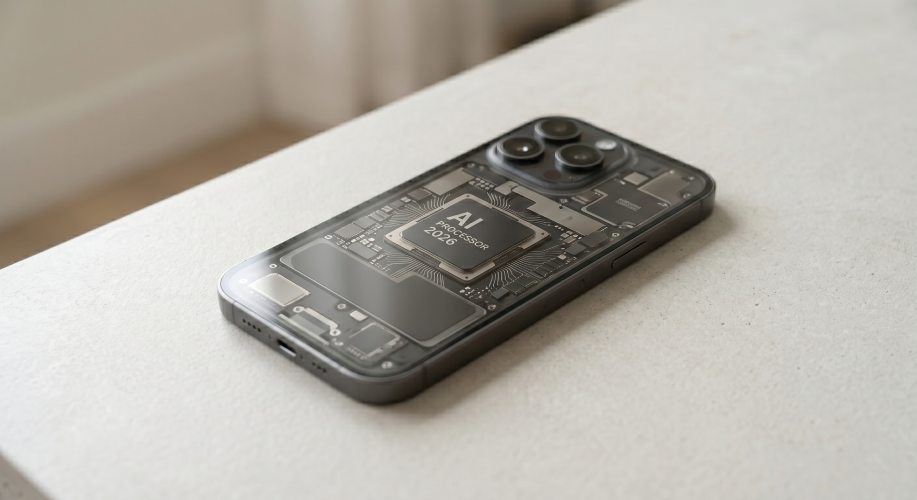
- AI-based processors
- Faster gaming performance
- Better multitasking
Example
Latest chips offer desktop-level performance in mobile devices.
Advantages
- Smooth gaming
- Fast apps
- Better performance
Disadvantages
- High heat generation
- Expensive devices
8. New Design & Display Trends
Design is becoming more practical.
Key Features
- Flat displays
- Thin bezels
- Strong materials
Advantages
- Better grip
- Durable
- Modern look
Disadvantages
- Less innovation in basic designs
9. Eco-Friendly Smartphones
Brands are focusing on sustainability.
Key Features
- Recycled materials
- Energy-efficient devices
- Eco-friendly packaging
Advantages
- Good for the environment
- Better long-term impact
Disadvantages
- Slightly higher cost
10. Future Trends (What’s Coming Next)
Upcoming Innovations
- AR & VR integration
- Rollable phones
- Under-display cameras
- Fully AI-based systems
Also, read this post:
Top 10 Smart Gadgets Changing Daily Life in 2026
The Future of the Digital World
AI in Healthcare: How Artificial Intelligence Is Transforming Medical Technology
Best productivity apps for Windows and Android in 2026
Conclusion
Smartphones in 2026 are smarter, faster, and more powerful than ever before. From AI-powered features to long battery life and advanced cameras, technology is improving quickly.
If you are planning to buy a new phone, focus on:
- AI features
- Battery life
- Camera quality
- Performance
The future of smartphones is not just about hardware — it is about a smart experience.